Home Garden Tips to Turn Your Backyard into a Blooming Oasis
Recent Trends in Home Gardening
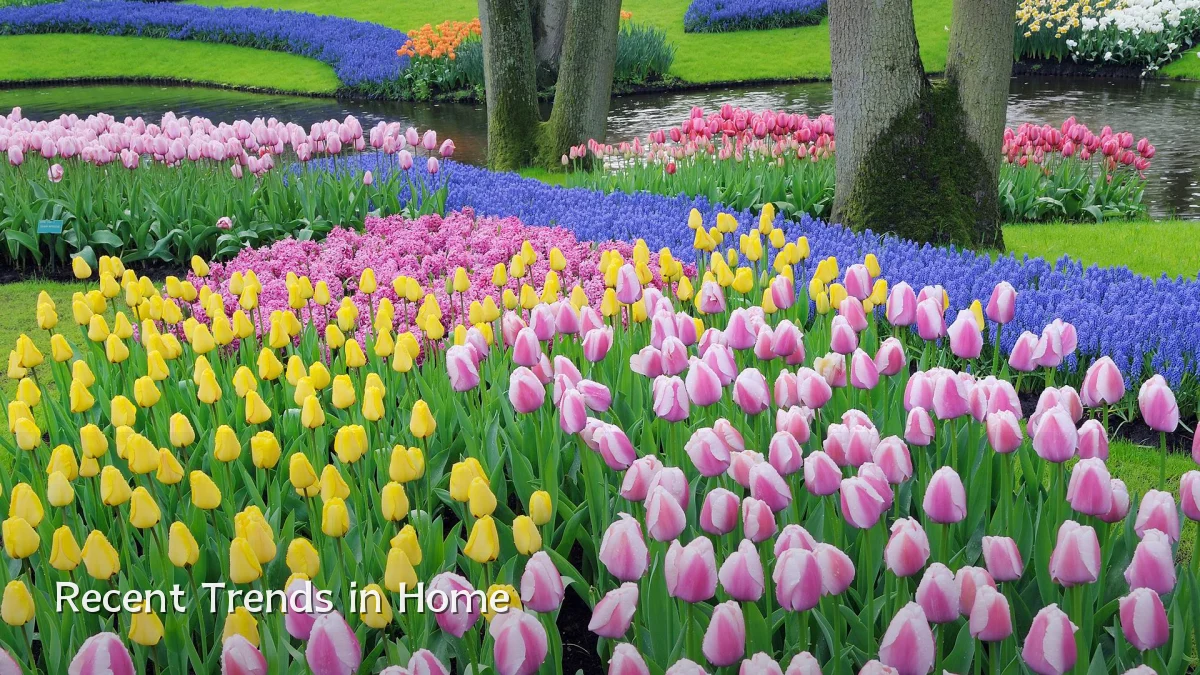
Interest in home gardening continues to grow as more households look for ways to make outdoor spaces functional, relaxing, and visually appealing. In recent seasons, the emphasis has shifted from simple vegetable plots toward layered, mixed-use gardens that combine ornamental flowers, native plants, and edible crops. Social media has accelerated the popularity of cottage-style borders, pollinator-friendly beds, and vertical planting, while climate-conscious gardeners are increasingly selecting drought-tolerant species and improving soil health rather than relying on heavy watering.
Background: What Makes a Garden Feel Like an Oasis
A blooming backyard is rarely the result of a single grand gesture. Experienced gardeners point to a handful of foundational practices that consistently deliver reliable color and structure:
- Soil preparation: Testing and amending soil before planting gives roots the best start and reduces the need for synthetic fertilizers.
- Right plant, right place: Matching sun exposure, moisture levels, and hardiness zones prevents disappointment and lowers maintenance.
- Succession planting: Staggering bloom times keeps the garden colorful from early spring through late autumn.
- Layered planting: Combining ground covers, perennials, shrubs, and small trees adds depth and supports beneficial insects.
- Mulching: A consistent layer of organic mulch moderates soil temperature, retains moisture, and suppresses weeds.
User Concerns and Common Pitfalls
Despite the enthusiasm, many home gardeners struggle with the same recurring issues. Overwatering remains one of the most frequent mistakes, often leading to root rot and fungal disease. Beginners also tend to overcrowd plants, underestimating the mature size of perennials and shrubs. In other cases, gardeners choose visually striking species that are poorly suited to local conditions, resulting in constant replanting. Pest management can become a point of anxiety as well, with many homeowners resorting to broad-spectrum treatments that inadvertently harm pollinators and beneficial predators.
Budget is another practical concern. An expansive redesign can be costly, so many gardeners now focus on incremental improvements: dividing existing perennials, starting plants from seed, and sourcing materials from local exchange groups. This approach reduces upfront expense while still delivering meaningful visual change over one or two growing seasons.
Likely Impact of a Thoughtful Approach
When applied consistently, these home garden tips tend to produce more than just an attractive yard. A well-planned garden can reduce outdoor water use, support local wildlife, and create a low-stress environment for daily relaxation. Homeowners also report that a coherent planting scheme increases the perceived value of the property and encourages more time spent outdoors. Because many of these methods rely on building healthy soil and choosing resilient plants, the garden typically becomes easier to maintain over time rather than demanding ever more inputs.
Crucially, the impact is cumulative. Small improvements in one season—such as adding a compost bin, planting a hedge for privacy, or converting a lawn strip into a flower border—can lay the groundwork for a more dramatic transformation later.
What to Watch Next
Looking ahead, several factors are likely to shape how home gardeners plan their spaces. Water availability will remain a key consideration, especially in regions experiencing drier summers; watch for continued interest in rain barrels, drip irrigation, and native grasses. There is also growing curiosity around climate-adaptive planting, meaning gardeners may test species once considered marginal for their area. On the design side, the line between indoor and outdoor living is blurring, with more backyards featuring seating zones, lighting, and container plantings that can be rearranged seasonally.
Finally, community-level exchange—sharing seeds, cuttings, and surplus produce—appears positioned to grow as gardeners seek lower-cost, more social ways to expand their collections. For anyone hoping to turn a backyard into a blooming oasis, the most sensible next step is to start small, observe the site carefully, and build on what works rather than chasing a perfect picture overnight.