Home Garden Basics: A Beginner's Guide to Planting Your First Bed

Recent Trends in Home Gardening
Interest in home gardening has expanded well beyond the peak pandemic years, with a growing number of households treating their first planting bed as a long-term lifestyle adjustment rather than a temporary hobby. Observers point to several converging drivers: rising grocery costs, a desire for greater food transparency, and a broader cultural shift toward outdoor wellness. Seed companies and nurseries report sustained demand for starter collections—tomatoes, peppers, herbs, and leafy greens—while online gardening communities continue to attract first-time growers seeking practical, low-stakes advice.
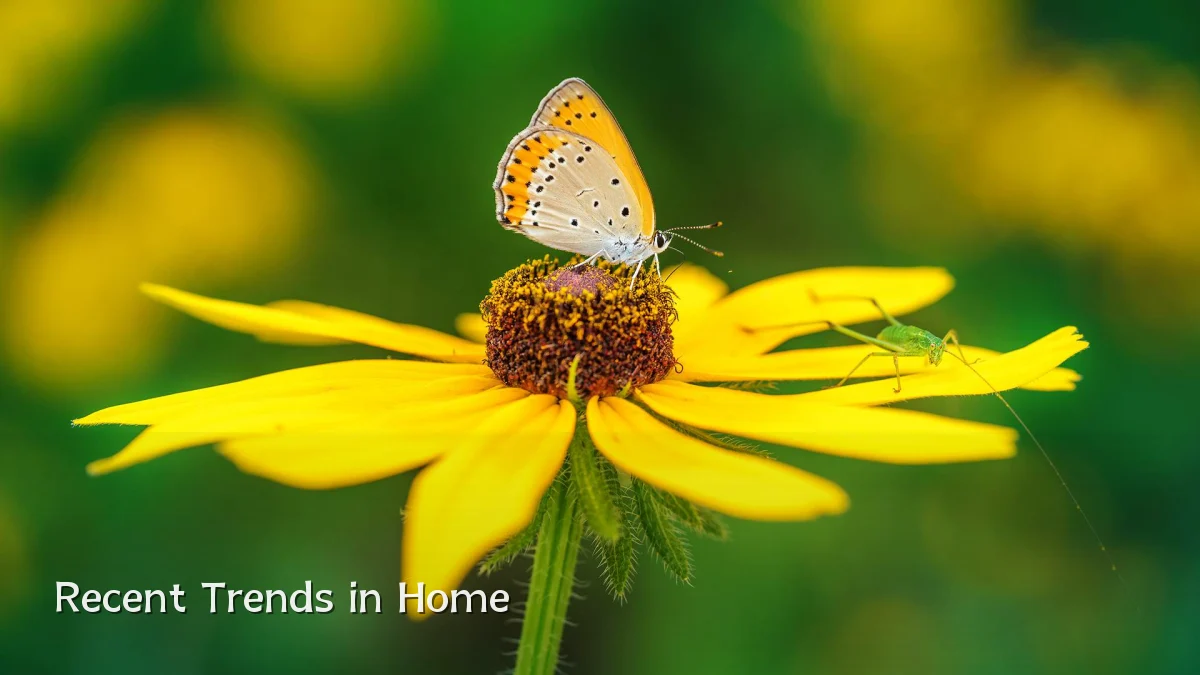
Another notable trend is the move toward smaller, manageable spaces. Beginners are increasingly starting with a single raised bed or a compact in-ground plot rather than attempting a full backyard overhaul. This approach lowers the barrier to entry and reduces the risk of early frustration.
Background: What a First Bed Actually Requires
For newcomers, the core challenge is not planting itself but preparation. A successful first bed depends on three main factors: location, soil condition, and timing. Most vegetables and herbs require at least six to eight hours of direct sunlight per day, though some leafy greens tolerate partial shade. Soil should be loose, well-draining, and enriched with organic matter; a simple soil test can reveal pH and nutrient gaps before planting.

Beginners should also match plant choices to their local growing season. Cool-season crops such as lettuce, spinach, and peas perform well in early spring or fall, while warm-season crops like tomatoes, peppers, and beans need consistently warmer soil and air temperatures. Seed packets and local extension services provide reliable guidance on region-specific planting windows.
User Concerns: Common Pitfalls and Practical Fixes
First-time gardeners frequently express worry about overplanting, watering mistakes, and pest pressure. These concerns are valid but manageable with a few straightforward habits.
- Overplanting: Beginners often sow more than they can maintain. Starting with 4–6 crop types in a small bed is more realistic than a dense, varied layout.
- Watering inconsistency: Both underwatering and overwatering can stunt growth. A consistent schedule—deep watering a few times per week rather than light daily sprinkling—helps roots establish.
- Pest anxiety: Not all insects are harmful. Learning to identify common pests and beneficial insects reduces unnecessary intervention.
- Soil neglect: Amending soil with compost before and after each season keeps nutrient levels stable and improves moisture retention.
- Impatience with germination: Some seeds take two weeks or longer to sprout. Keeping a simple log of planting dates helps set realistic expectations.
Likely Impact on Beginner Success Rates
The practical, small-scale approach now promoted across gardening content appears likely to improve retention among new gardeners. When beginners start with a single bed, clear crop selection, and a basic maintenance routine, the learning curve flattens considerably. Success in the first season tends to encourage expansion in subsequent years, whether that means adding a second bed, installing a trellis, or attempting more demanding crops.
There is also an economic dimension. A well-managed bed can yield a meaningful portion of a household's summer vegetable supply, although exact savings vary widely by region, crop choice, and gardening skill. For many beginners, the greater value lies in reduced food waste and the satisfaction of producing something themselves.
What to Watch Next
Several developments could shape how beginners approach their first beds in the coming seasons. Watch for broader availability of regionally adapted seed varieties, which reduce the guesswork for new growers. Soil health products and simplified testing kits are also becoming more accessible, making it easier to diagnose problems early.
Community-level support is another area to monitor. More libraries, schools, and local nonprofits are offering seed-sharing programs and beginner workshops, which may lower the cost of entry and provide hands-on guidance. Finally, as climate patterns become less predictable, expect more emphasis on resilient planting techniques—such as shade cloth, drip irrigation, and careful selection of heat-tolerant or drought-resistant cultivars.