Why Native Plants Are the Low-Maintenance Trend Your Garden Needs
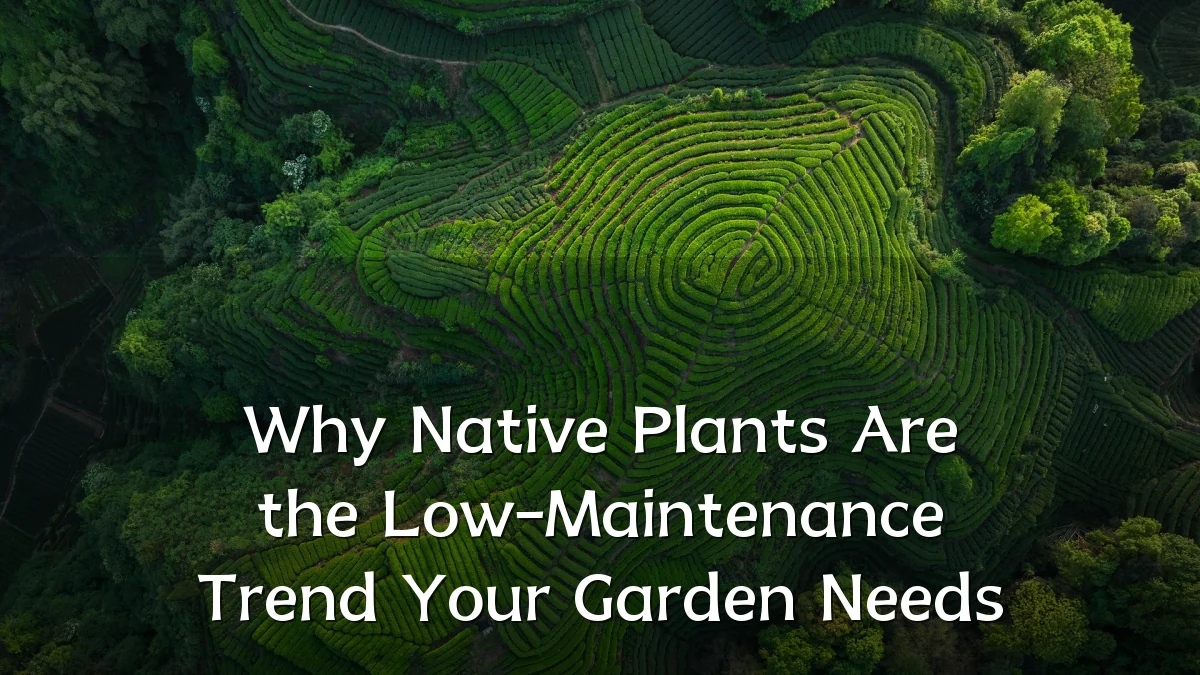
Home gardeners are increasingly shifting their attention from exotic ornamentals to the plants that already belong in their local landscape. The movement goes by many names—rewilding, pollinator gardening, ecological landscaping—but the practical takeaway is consistent: native species tend to require less water, fewer inputs, and less hands-on care once they establish. As the home garden trend cycle moves toward sustainability and convenience, native plants have moved from niche interest to mainstream consideration.
Recent Trends
Several converging habits are driving the current interest in native planting. Gardeners who once prioritized bloom color and novelty are now weighing factors like drought resilience, pollinator value, and long-term maintenance hours. Landscape professionals report a measurable rise in client requests for meadow-style plantings, native hedgerows, and "managed wild" front yards.

- A shift toward no-mow and reduced-lawn designs that incorporate native ground covers and grasses.
- Growing interest in container-friendly native plants for renters and small-space gardeners.
- Online native plant nurseries and regional seed exchanges expanding their catalogs to meet demand.
- Community programs and conservation districts offering guidance on plant selection tailored to local ecoregions.
Background
The "low-maintenance" promise of native plants is not a new idea, but it has gained credibility as more municipalities face water restrictions and as home gardeners grow tired of replacing non-hardy specimens each season. Native species have evolved alongside local climate, soil, and wildlife, which means they are typically adapted to the region's natural rainfall patterns and seasonal temperature swings. In many cases, they require little or no supplemental irrigation after a brief establishment period, and they are better equipped to resist local pests and diseases than non-native imports.
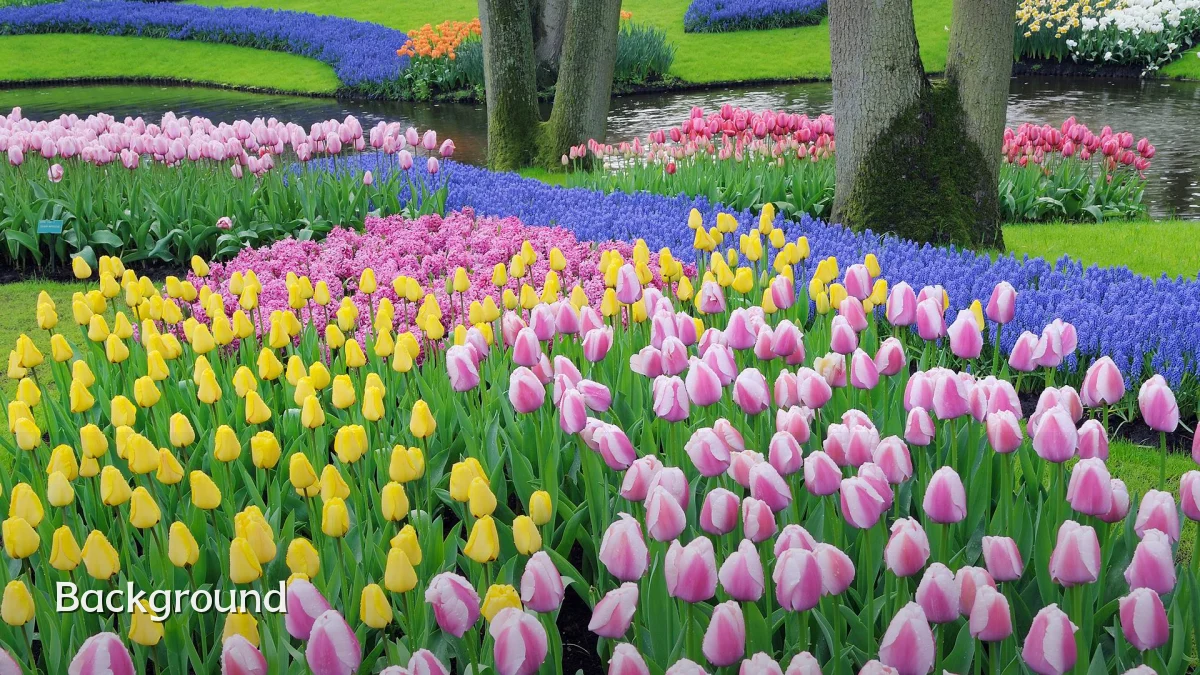
That said, "low-maintenance" is not synonymous with "no-maintenance." A newly planted native garden still needs regular watering, weeding, and observation in its first one to three years. Understanding this distinction is key to a successful transition.
User Concerns
Despite the benefits, gardeners express hesitation before converting their yard to native species. Common questions include whether a native planting will look tidy enough for neighborhood standards, whether the plant palette is diverse enough to be visually interesting across seasons, and whether homeowners' associations or local ordinances will raise objections.
- Aesthetic uncertainty: some gardeners worry that native gardens look unmanaged or "weedy" during certain growth phases.
- Information gaps: local native plant availability can be uneven, and identifying species that suit a specific yard condition requires research.
- Cost concerns: initial investment in native plugs or seeds can be comparable to conventional nursery stock, though replacement costs often fall over time.
- Establishment frustration: plants that die in year one are often victims of improper watering, poor soil matching, or over-pruning, not the plants themselves.
Likely Impact
If the trend matures beyond a passing phase, the practical effects could extend well beyond the garden gate. Reduced reliance on chemical fertilizers and pesticides, lower water demand on municipal supplies, and expanded habitat corridors for pollinators and birds are among the most cited potential outcomes. For individual households, the financial impact is typically modest but favorable—lower seasonal plant replacement bills and reduced irrigation expenses—while the time savings become more apparent in the second and third growing seasons.
The shift may also influence how garden retailers market plants. Expect to see more tags describing regional origin, wildlife benefits, and moisture requirements rather than only bloom time and mature size.
What to Watch Next
As the native plant movement continues to evolve, a few signals will indicate whether it becomes a permanent fixture in residential gardening rather than a temporary aesthetic. Watch for broader seed availability in local hardware chains, clearer labeling standards, and the expansion of native plant sections in mainstream nurseries. Also monitor how municipal landscaping codes respond to front-yard native plantings—some cities have already revised rules to support ecological landscaping, while others are still deliberating.
Gardeners interested in making the switch should start small: choose a sunny, well-drained corner, pick three to five species that are truly native to their specific region, and plan for the establishment period. The long-term payoff is a garden that works with its environment rather than against it—and that is the kind of low-maintenance trend with staying power.