Soil Health Trends Reshaping the Way We Garden in 2025
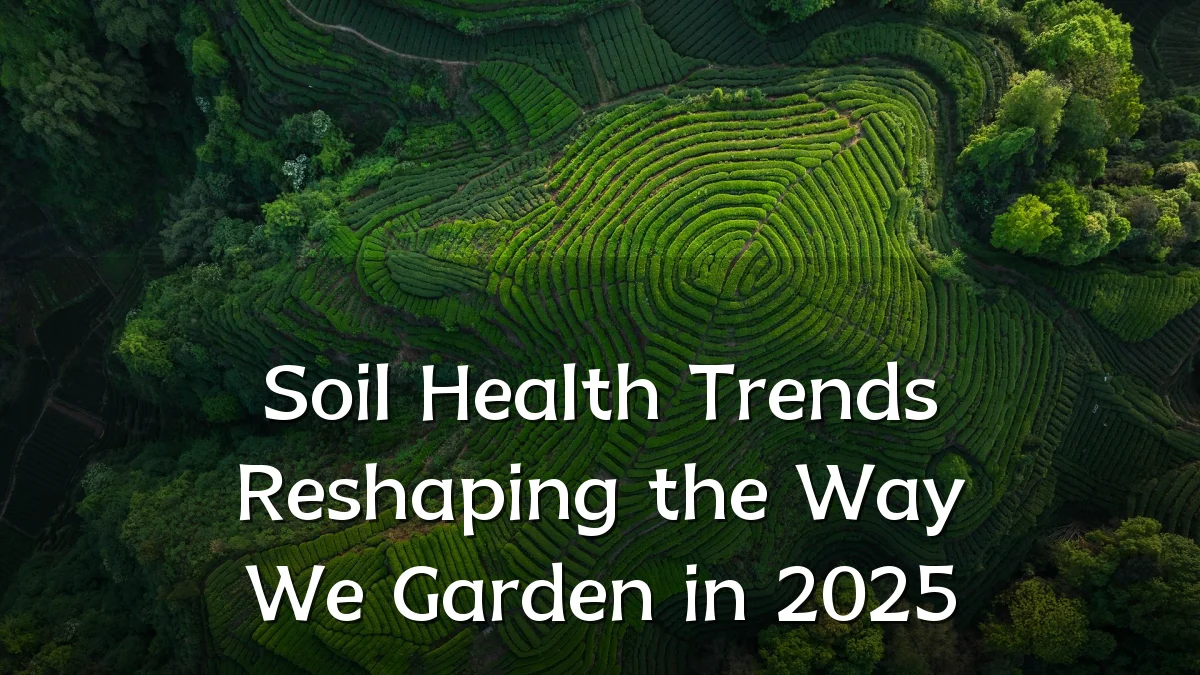
As the 2025 growing season approaches, a significant shift is occurring in residential horticulture. The gardening community is moving beyond the conventional focus on plant yields and visible blooms, turning instead toward the complex biology beneath the surface. This analysis examines the factors driving this focus on soil vitality, the practical challenges for home gardeners, and the wider implications for the future.
Recent Trends
The most visible change is the rapid mainstream adoption of biological soil amendments. Home gardeners are increasingly seeking products that support the soil food web, including mycorrhizal fungi, beneficial bacteria, and humic substances.

- A move away from high-solubility synthetic fertilizers toward slow-release and organic alternatives that build structure rather than merely feeding the plant.
- Widespread application of "no-till" and lasagna gardening techniques, adapted for residential plots to preserve existing soil fungal networks.
- On-site composting is expanding from simple piles to more temperature-controlled systems, with an emphasis on viable compost tea production.
- The practice of growing cover crops, such as clover or buckwheat, is appearing in smaller gardens as a method for off-season soil restoration and weed suppression.
Background
Historically, home gardening has leaned heavily on immediate solutions and straightforward chemical inputs. However, a broader understanding of soil science is altering this approach. The increasing frequency of regional drought conditions and tighter water-use restrictions has prompted many to reassess. Soil that is rich in organic matter performs measurably better in retaining moisture. This understanding, shared through community garden networks and local agricultural extensions, has laid the groundwork for the current focus on resilient soil systems.

User Concerns
While enthusiasm for soil health grows, home gardeners face several real-world concerns that temper the transition from conventional methods.
- Product Verification: With an influx of new biological additives on the market, there is widespread uncertainty regarding which products are scientifically proven versus those relying on anecdotal claims.
- Time-to-Result: Building healthy soil is a slow, seasonal process. Gardeners accustomed to quick fixes in a single season may find the patience required a significant hurdle.
- Testing Accessibility: There is a wide gap between inexpensive, approximate pH tests and the comprehensive laboratory analyses offered by extension offices. Determining which level of detail is necessary for a residential garden remains a common question.
- Initial Costs: While long-term expenses often decrease, the upfront cost of soil testing, compost containers, and quality organic inputs can be higher than conventional starter kits.
Likely Impact
If the current trajectory holds, the 2025 gardening season will likely show greater resilience to environmental stress. Gardens centered on soil health tend to require considerably less intervention when faced with extended heat or heavy rainfall events. Consequently, consumer spending patterns are projected to shift away from reactive pest control and fungicides toward proactive soil-building tools. We can expect to see a higher value placed on durable equipment, like broadforks and compost screens, rather than chemical inputs.
What to Watch Next
The trajectory of soil health in residential gardening is closely tied to broader regulatory and technological developments. Observers should monitor the following areas over the next twelve months:
- Localized ordinances that extend fertilizer restrictions beyond municipal lawns to include residential gardens, aimed at protecting local watersheds.
- Expansion of municipal drop-off composting programs, which currently face supply and logistics bottlenecks in many regions.
- Development of at-home testing technology that moves beyond basic pH and NPK readings to analyze microbial respiration and fungal biomass.
- The potential entrance of major agriculture suppliers into the consumer biologicals market, which could significantly lower retail prices.
As data on soil biology becomes more accessible, the definition of a "successful" garden is likely to be revisited. The focus on regeneration rather than production reflects a lasting influence on how home gardeners plan and invest in the land around them.