Turn Your Backyard into a Sanctuary: The Healthy Garden Guide for Mindful Living
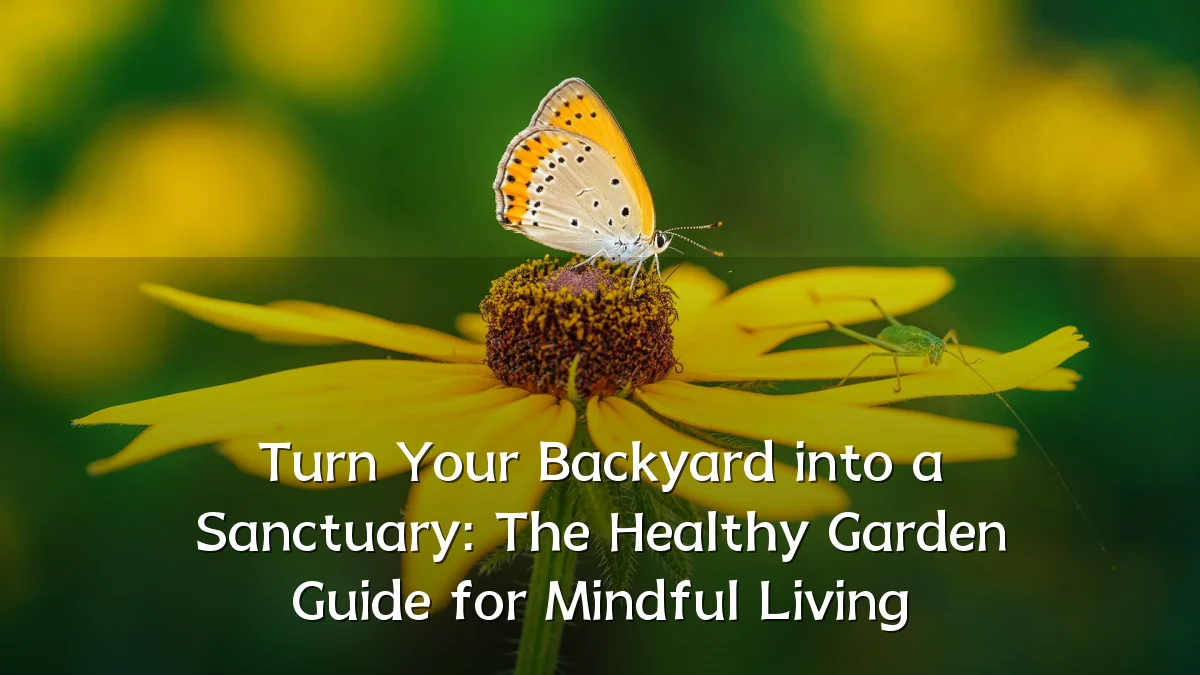
As more people look for balance beyond screens and schedules, the backyard is being reimagined as more than a patch of grass. It is becoming a space for mental clarity, physical activity, and daily restoration. This analysis looks at how the healthy garden movement is shaping modern lifestyles, the concerns driving it, and what may come next.
Recent Trends
Garden design has shifted from purely ornamental to purpose-driven. Homeowners and renters are increasingly prioritizing spaces that support wellbeing, with an emphasis on low-stress upkeep and sensory engagement.

- Edible landscaping is on the rise, blending vegetables and herbs into traditional flower beds.
- Wildlife-friendly planting, including native species and pollinator patches, is becoming a standard request.
- Quiet zones with seating, water features, or shaded corners are being designed as outdoor meditation spots.
- Container and raised-bed gardening has expanded interest among people with limited mobility or small plots.
Background
The link between gardening and mental health is not new, but its mainstream appeal has grown. Spending time outdoors, engaging the senses, and performing repetitive tasks like weeding or watering are widely associated with reduced stress and improved focus. The concept of a "sanctuary" garden builds on this by treating the yard as a living environment that encourages mindfulness, rather than a display of perfection.

This approach also responds to broader lifestyle shifts, including remote work and a renewed interest in self-sufficiency. A garden that provides food, fragrance, and habitat offers tangible benefits that go beyond aesthetics.
User Concerns
While the idea of a healthy garden is appealing, many people face practical barriers that shape how they engage with the trend.
- Time constraints: Busy schedules make low-maintenance design a priority, but many gardeners are unsure which plants truly require less care.
- Physical limitations: Kneeling, bending, and heavy lifting can discourage older adults or those with chronic pain from gardening regularly.
- Climate uncertainty: Shifting weather patterns make it harder to know what will thrive in a given region without trial and error.
- Overwhelm: The abundance of online advice can lead to decision fatigue, causing some to abandon the project before it starts.
- Cost concerns: Initial setup for raised beds, soil amendments, or irrigation can feel prohibitive even if long-term savings are possible.
Likely Impact
The healthy garden movement may have lasting effects on how neighborhoods and households function. If adopted broadly, it could influence local biodiversity, reduce food waste, and create more opportunities for unplugged leisure. On an individual level, regular garden engagement may support better sleep, lower daily anxiety, and a stronger sense of accomplishment.
There is also a social dimension. Gardens that double as sanctuaries often become gathering places for family or neighbors, reinforcing community ties. As more people share harvests, cuttings, and gardening knowledge, the benefits tend to spread beyond the fence line.
What to Watch Next
Expect garden guidance to become more personalized and more aligned with broader wellbeing goals in the near term. Key developments to monitor include:
- Garden coaching and consultation services that assess a yard for mindfulness potential, not just curb appeal.
- Smart irrigation and sensor tools that reduce hands-on maintenance while keeping plants healthy.
- Community-level programs that support shared garden spaces for people without private backyards.
- Simplified planting guides based on local climate and beginner skill levels.
- More discussion of how to make gardening accessible for people with physical disabilities or limited budgets.
The backyard sanctuary is less about having the perfect garden and more about creating a reliable place to slow down. As the movement matures, the healthiest gardens may be the ones that meet people where they are, both literally and practically.